Cardiac Rhythm Management
The normal contractions of the heart chambers (atria and ventricles) are precisely synchronized and follow a strictly defined sequence. When this synchronization becomes disrupted, the amount of blood pumped with each beat is reduced, which is a cause of heart failure. A Cardiac Resynchronization Therapy (CRT) device paces the heart (using the same small electrical impulses as a standard pacemaker) both in the right and the left ventricles in order to resynchronize their contraction and attempt to increase the cardiac output.
There are two types of CRT devices:
Cardiac Resynchronization Pacemakers (CRT-P), which help resynchronize the heart contractions by pacing both ventricles simultaneously. In order to function properly, pacing leads (wires) must be placed in the right atrium, the right ventricle, and inside a cardiac vein to pace the left ventricle. All the leads can be implanted through the veins, without having to open the chest.
Cardiac Resynchronization Therapy Defibrillator (CRT-D) performs the same functions as a CRT-P, and can also deliver the therapies of an implantable cardioverter defibrillator in case ventricular tachycardia or fibrillation occurs. In patients presenting with heart failure, who are at high risk of cardiac arrest, the CRT-D can support the pumping action of the heart and protect against life-threatening arrhythmias.
How is a CRT Device implanted ?
Whether the CRT device is placed in the chest or abdominal wall, the skin needs to be incised. Some doctors prefer to place the CRT device immediately below the skin, while others prefer to place it under a muscle. In either case, a "pocket" is created to bury the device, most often under the left collar bone.
First, 2 leads are usually introduced through a vein, and placed in the right atrium and right ventricle, respectively. Their position is verified by x-ray, before testing to ensure that they are in close contact with the heart muscle.

The CRT-P and CRT-D procedures require the implantation of an additional lead to pace the left ventricle, while the leads of standard pacemakers and ICDs are limited to the right side of the heart. The additional lead is placed inside a vein on the surface of the left ventricle through a guiding catheter (thin tube) advanced into the right atrium like a pacemaker lead.
From the right atrium, the lead enters a large vein, called the coronary sinus. Then, it is advanced to its final position on the left ventricle. An x-ray picture of the veins around the heart is often taken during the procedure to help guide the lead placement. This requires the injection of liquid contrast material inside the coronary sinus. In most, but not all cases there is a suitable vein for the placement of the left-sided lead.
The CRT device implantation procedure is usually performed under general anesthesia, although deep sedation might suffice. Your doctor will discuss this with you. The device is implanted in the chest wall or in the abdominal wall, depending on the model chosen. This decision also depends on:
- the patient’s dimensions, shape, age and heart size
- whether prior chest surgery has been performed
- routine activities and lifestyle
- which method is safest in individual circumstances

The leads are connected to the device, which is then placed in the pocket.
At the end of the procedure, the guiding catheter is removed and the left-sided lead is left in place and tested. An ultrasound study of the heart (echocardiogram) might be required to help find the pacing site that provides the most effective resynchronization by the CRT system. This test requires only external monitoring and is pain-free.
Warning: This information should not be used as a substitute to consultation from a physician.
What are the components of an ICD?
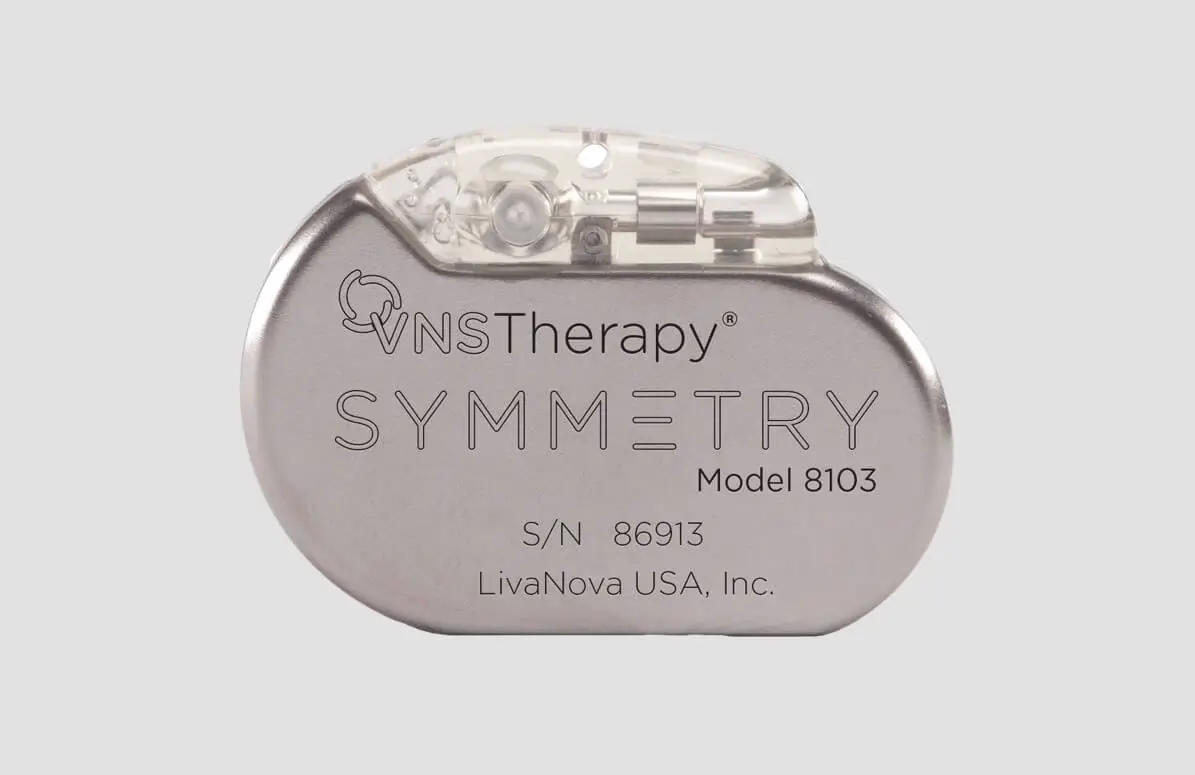
Implantable Cardioverter Defibrillators (ICDs) are like miniaturized computers capable of monitoring the heart’s spontaneous activity. They are made up of a pulse generator and a lead system.
Pulse Generator
The pulse generator is a sealed titanium metal container that contains:
- a battery, to power the system
- the capacitors, which store the electric charge needed to shock the heart
- a microprocessor (small computer)
- electronic circuits
The pulse generator's computer memory stores:
- treatment settings your doctor has programmed
- the number and kinds of treatments your heart
- has received between each office visit
- how successful each treatment was
- the status of the pulse generator's battery
- the status of the pulse generator's battery (how much current it has consumed)
The pulse generator constantly monitors the electrical signals from your heart. If it detects an abnormal rhythm, it delivers a treatment, which can be either an electrical shock (which patients can feel) or a sequence of painless pacing pulses (which patients may or may not feel) to bring your back to a normal rhythm.
Leads
The pulse generator is connected to the heart by 2 insulated wires called leads. These leads allow the ICD to:
- monitor your heart rhythm
- pace the heart, if necessary
- deliver a shock, if necessary
The leads are threaded into the heart through veins, making their implantation a simple procedure.
Programmer
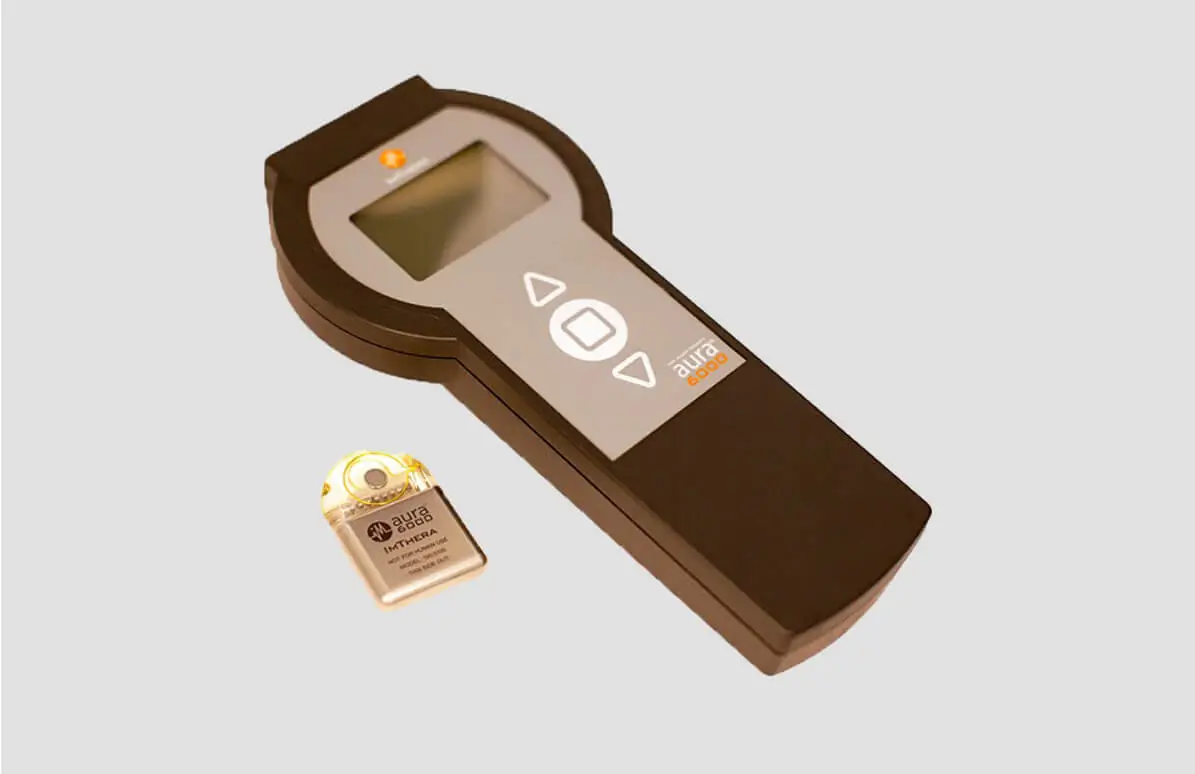
The programmer is a computer-like device which communicates with the pulse generator by means of a wand held over the area of your pulse generator.
It is used to:
- test your ICD after it is implanted
- program the ICD treatments
- retrieve the information stored between office visits in the pulse generator's memory.
How does an ICD work?
Your ICD constantly monitors the heart's electrical activity and recognizes when the heart rate is normal, too slow, or too fast. If the rhythm is abnormal, it automatically delivers an electrical treatment to the heart. The kind of treatment will depend on the way it has been programmed. Your doctor will tell you how your ICD has been programmed.
The most important function of an ICD is to deliver a shock to restore normal rhythm in the case of ventricular tachycardia or fibrillation (defibrillation). However, ICDs can also pace the heart to treat some ventricular tachycardias, or when the natural rhythm is too slow.
Cardioversion / Defibrillation
ICDs can be programmed to deliver low-, intermediate- and high-energy shocks. A sizable proportion of VTs can be terminated by antitachycardia pacing or by low-energy shocks. If antitachycardia pacing or cardioversion fail, a high-energy defibrillation shock is delivered.
If an ICD detects VF, it immediately proceeds to the delivery of a high-energy shock (defibrillation). Since it is delivered directly to the heart, the shock needs only to be approximately 10% of the strength of shocks delivered by external paddles applied to the chest in emergency. The time between onset of VF and delivery of a high-energy shock (the charge time of the capacitors) is usually approximately 10 seconds. It is not uncommon for patients to faint during this charge time.
Antitachycardia pacing
When VT is detected and needs to be treated, the ICD can make an attempt to restore normal rhythm by delivering a burst of small, rapid electrical pulses to interrupt the tachycardia. This therapy, called antitachycardia pacing, is usually imperceptible.
Bradycardia pacing
Your ICD is also a pacemaker, which prevents the heart from beating too slowly. ICDs can sense the activity, as well as pace the right atrium, the right ventricle, or both chambers. This is called single- (VVI) or dual-chamber (DDD) pacing.
How is an ICD Implanted?
Whether the pulse generator is placed in the chest or abdominal wall, the skin needs to be incised. Some doctors prefer to place the pulse generator immediately below the skin, while others prefer to place them under a muscle. In either case, a "pocket" is created to bury the pulse generator, most often under the left collar bone.
First, 2 leads are usually introduced through a vein, and placed in the right atrium and right ventricle, respectively. Their position is verified by x-ray, before testing to ensure that they are in close contact with the heart muscle.
The ICD implantation procedure is usually performed under general anesthesia, although deep sedation might suffice. Your doctor will discuss this with you. The pulse generator is implanted in the chest wall or in the abdominal wall, depending on the model chosen. This decision depends on either that the:
- the SA node may fire too slowly, or
- the electrical signal cannot propagate normally from the atria to the ventricles.
The leads are connected to the pulse generator, which is then placed in the pocket. Before the incision is closed, your doctor will perform a defibrillation test. This important test, performed under general anesthesia or deep sedation, involves deliberately triggering VF to ensure that the ICD is capable of defibrillating the heart with a single shock. When all tests have been completed with satisfactory results, the pocket and skin incision are closed with stitches.
What happens after I have been discharged from the hospital ?

Your doctor will tell you whether your skin stitches will dissolve spontaneously, or whether they will need to be removed during an office visit. Always follow your doctor's directions while you recover and begin to resume normal activities.
Some suggestions that will help in your recovery :
- Bathe, exercise, and walk according to your doctor's instructions.
- Do not lift more than 10 or 15 pounds until your doctor gives permission.
- Strictly limit movements of the arm that could dislodge the leads, as instructed by your doctor.
- Contact your doctor immediately if you have a fever, or if there is redness, swelling, or drainage at your incision or if your arm is swollen or painful.
- Do not wear tight clothing that may irritate the skin over the pulse generator.
- Refrain from activities or contact sports that might cause a blow to your implant, such as karate or football.
- Do not place a shotgun or rifle against the chest wall on the side of your implant.
- Let all your doctors, dentists or any emergency personnel know that you have an implant. You may need special antibiotics before and after dental work, including teeth cleaning, or surgery. This is a special precaution against major infectious complications. The wound, which should be kept dry, and thepocket under the skin will be sore for a few days.
What are follow up visits?
You will be given a schedule of regular follow-up visits in your doctor's office for the routine surveillance of your ICD. Your doctor will use the programmer to communicate with the pulse generator and:
- verify that the leads are functioning properly,
- check the battery voltage,
- determine whether the ICD has treated any arrhythmia.
Your doctor will also question and examine you to :
- record which drugs you are taking and determine whether they might interfere with the proper function of your ICD,
- detect any change in your heart condition since your last visit. Depending on your condition and the information retrieved, the settings of your ICD may be reprogrammed with the external programmer.
When does my ICD need to be replaced?
Your ICD batteries, which wear down gradually and predictably, should last several years.
Several months before the batteries are expected to expire you will be warned that your pulse generator must be replaced. In an operation much like the original implant, the incision is opened and the pulse generator removed. Since the unit is sealed, the batteries cannot be replaced separately. After testing of the leads, they are reconnected to a new pulse generator and the pocket is closed.
Occasionally, the leads also need to be replaced.
Warning : This information should not be used as a substitute to consultation from a physician.
What are the components of a pacemaker?
State-of-the-art pacemakers are like miniaturized computers capable of monitoring the heart's spontaneous activity. When necessary, pacemakers deliver an electric pulse, which replaces a deficient spontaneous heart rhythm. The procedure involves the implantation of a pulse generator and a lead system.
Pulse Generator

The pulse generator is a sealed titanium metal container that contains:
The pulse generator's computer memory stores:
- a battery, to power the system,
- a microprocessor (small computer)
- electronic circuits which monitor and analyze each heart beat and, when necessary, trigger the delivery of imperceptible low-intensity impulses, to regulate the heart rhythm.
- programmed treatment settings,
- outcome of each treatment,
- electrocardiographic recordings,
- the status of the pulse generator's battery (how much energy remains at each follow-up visit).
From this record of the device's and heart's activity, one can monitor their behavior since last interrogation, and decide from this information whether the treatment needs adjustments. Since it is possible to communicate with the pacemaker by means of a programmer, the pulse generator's settings can be reprogrammed painlessly and non-invasively.
Lead system
Leads deliver the electric impulses to and from the heart. They are made of fine flexible insulated wires that link the pulse generator to the heart.
A pacemaker may function in one of the following ways:
- single chamber pacing: 1 lead to pace the right atrium or ventricle.
- dual chamber pacing: 1 lead to pace the atrium and 1 to pace the ventricle.
- biventricular pacing: 1 lead to pace the atrium and 2 leads, each pacing a different ventricle.
- rate responsive stimulation: pacing with 1 or 2 leads in the right atrium and/or right ventricle and a pulse generator capable of sensing activity level and adapting the pacingrate to demands related to rest versus exercise.
Your doctor will chose the pacemaker system best suited for your needs. The systems undergo strict manufacturing procedures and have to successfully pass reliability tests. The length of time before a replacement is needed depends on the pulse generator settings and the individual utilization of the system.
How is a pacemaker implanted?

A pacemaker implant is a short and simple procedure, performed in the hospital under general or local anesthesia. The lead(s) is (are) introduced into a vein beneath the collarbone and advanced to the chamber right atrium and/or ventricle under x-ray monitoring. Several electric measurements are made to ensure that the lead(s) is (are) functioning properly. The pacemaker is then connected to the lead(s) and placed in a skin pocket, usually just below the collarbone. Your doctor will determine where to implant the pacemaker, depending on your body shape and lifestyle. The incision is closed and covered with a dressing. You will be kept under observation after the procedure.
The stitches are removed and the wound inspected in the clinic approximately 8 to 10 days later. Your doctor will make arrangements for further follow-ups.
What happens after I have been discharged from the hospital?
After your pacemaker has been implanted, you will receive an Identification Card containing information regarding your doctor, your pacemaker and its leads. Keep the card with you at all times since the information it contains is important. When you have fully recovered from the operation, you should return to your usual activities.
The pacemaker should not interfere with your lifestyle. If your general health allows it, you can engage in most activities, including physical exercise and sexual intercourse. If you notice unusual manifestations, contact your doctor immediately. Do not wait until your next scheduled appointment.
Follow up Visits ?
Keep regular appointments with your doctor. These visits are necessary to interrogate your pacemaker and adjust its settings, if necessary. Modern pacemaker batteries lose their charge very gradually. Your doctor will know when your pulse generator needs to be replaced. Most treatments do not harm pacemakers. However, some can interfere with their function. If you consult a doctor, dentist, physiotherapist or any other health professional, always let them know that you have a pacemaker, even if the visit is unrelated to your heart.
Warning : This information should not be used as a substitute to consultation from a physician.
What is your Device Identification Card ?
Always carry your Device Identification Card with you when you go out, even briefly. This card, which you will be given when you leave the hospital, has important information regarding your device and leads, and your doctor's name and phone number. It also has important information for emergency medical personnel, if you need to be treated. If you move, change your phone number, or change doctors, do not forget to tell your doctor that you need a new Device Identification Card.
What activities can or can’t you do?
Always follow your doctor's recommendations regarding the return to your usual daily activities, such as:
- your job,
- sexual activity,
- travel, and
- exercise, recreation, hobbies.
Your doctor may advise you to not engage in activities where a few seconds of fainting or unconsciousness could be dangerous to you or others, such as:

- driving a car
- swimming or boating alone
- climbing a ladder
Your doctor will tell you if and when you can start driving again.
This will be determined by the laws in your state and by your medical condition. Patients with pacemakers, or ICD or CRT devices automatically lose their right to pilot an airplane because of their underlying heart condition. Lightheadedness, fainting, or loss of consciousness caused by your condition are the reasons for concern, not your device.
Returning to your job
Your device should not affect your ability to work, except under special circumstances.
Because jobs and workplaces vary, there is no single answer. Be sure to tell your doctor if you use or are exposed to:
- high voltage electrical equipment,
- strong magnets, like those used in the steel or auto scrap industry,
- radar, or
- other sources of strong electromagnetic interference.
Tell people at work that you have a device and what they should do if you receive a shock. If you have questions about your work or workplace, ask your doctor. He or she can arrange an evaluation to determine if your job might affect your device's function.
Sexual activity
Your device will not interfere with sexual activity. If you receive a shock treatment while someone is in contact with you, they might feel no more than a tingle through the skin.

Travel
First, check with your doctor before planning a trip.
Remember to:
- take along your patient information booklet, in case emergency medical personnel have questions.
- ask your doctor for the name of a doctor or heart clinic in the city, state, or country you will be visiting. In case of emergency, you will be prepared to get help.
- always show your Device Identification Card at security checkpoints, such as airports. Ask for a hand search without a hand-held screening wand. Security detectors are unlikely to cause problems if you walk through the “gate” rapidly.
- ask your doctor to arrange a follow-up visit with a doctor in the area you will be visiting if you plan to be away for longer than six months.

Exercise, recreation, and hobbies
Exercise is good for the heart, and you are encouraged to lead an active life. You should discuss with your doctor what kind of exercise program is best for you.
Contact sports (such as karate or football) should be avoided since they might cause injury to the skin over the device.
The barrel of a shotgun or rifle should not be held on the side of your chest where the device is implanted.
Deep sea diving should be avoided. You should discuss possible risks with your doctor regarding snorkeling or shallow scuba-diving.
Avoid direct sun exposure to the skin over the implant site, and wear a garment to protect the area.
These activities will not cause dysfunction of your device, but may be contraindicated because of your medical condition.
When do you call a doctor ?
Your doctor will give you instructions about when you should call him or her.
In general, call your doctor if you:
- receive a shock or other therapy from your device and have been instructed to call,
- feel an abnormal heart rhythm and have been instructed to call,
- notice any swelling, redness, warmth, or drainage from any incision,
- develop a fever that does not go away in 2 or 3 days,
- have a question regarding your device, heart rhythm, or medications,
- plan to travel or move,
- notice anything unusual, such as new, unexplained symptoms, or a recurrence of the symptoms that prompted the implantation of your device.
What do you do if you receive a shock from your ICD or CRT-D ?
If you feel a fast heart beat, be prepared to receive therapy from your ICD within a few seconds.
Stay calm and sit or lie down.
If possible, have someone remain near you throughout the event.
Have a friend or family member call the emergency number if you remain unconscious for more than 1 minute.
If you are conscious but do not feel well after receiving a shock, have someone call your doctor immediately. Follow your doctor's orders, including reporting to the emergency room, if instructed to do so.
If you feel well after the therapy and the symptoms do not recur, you may not need to seek immediate medical attention.
When you do call, your doctor or a nurse may ask you the following questions:
- What were you doing immediately before the shock?
- How did you feel immediately after the shock?
- What symptoms did you notice before the shock?
It is important to prepare your family and friends to contact emergency medical personnel and your doctor. Reserve a space for your local emergency phone numbers and information about your current medications. Keep a copy of this information next to your phone for easy access in case of emergency.
If someone is touching you when the ICD delivers a shock, that person might feel a tingle due to a small, harmless amount of current passing through your skin. They might also feel your muscles twitch or see you "jump" slightly or flail, as if startled.
Which equipement including household appliances and tools are safe ?

Your device has been built to be protected against interference by most electrical appliances.
The following are safe to operate if they are in good operating condition and properly grounded (if required):
- microwave ovens,
- televisions, AM/FM radios, video cameras, VCRs, and their remote controls,
- garage door openers,
- countertop appliances, such as toasters, blenders, food processors, electric knives, electric can openers, etc
- hand-held appliances, such as hair dryers, shavers, curling irons, etc.
- major appliances, such as washers, dryers, electric stoves, refrigerators and freezers, dishwashers, etc
- electric blankets and heating pads,
- remote-controlled transmitters for toy cars and airplanes.
Other equipment that is safe to operate or use if in good operating condition and properly grounded:
- personal computers and printers,
- electric typewriters, fax machines, and copy machines,
- machine shop tools, such as electric drills, circular saws, table saws, etc. Keep all tools at least 12 inches (30 cm) from your implant site, whether in chest or abdomen.
- low-power radio transmitters, such as cordless telephones or walkie-talkies.
Also safe to use are:
- spark-ignited internal combustion engines, such as those in lawn mowers, leaf-blowers, and automobiles (if your doctor has not restricted your right to drive)
- battery-operated conveyances, such as golf carts or electric wheelchairs.
Equipment that may not be safe to use:
Cellular phones
Digital cellular phones can cause EMI if they are very close (within 6 to 12 inches) to the device. The effect is temporary. To avoid interference:
- Do not carry a cellular phone in a breast pocket on the side of the pulse generator, if it is implanted in your chest.
- Do not carry a cellular phone on your belt if the pulse generator is implanted in your abdomen.
- Hold the cellular phone to the ear on the opposite side of the pulse generator implant.
Security detectors
CAUTION : Security detectors may cause temporary interference with your device. Security detectors used in stores and libraries are unlikely to cause problems if you walk through the "gate" rapidly. Once you have walked through the gate, do not remain in its vicinity. If you are concerned, show your Device Identification Card and ask that the detector be turned off while you walk through. The security detectors (both walk-through and hand-held wands) used in airports and government buildings may temporarily interfere with your device.
The metal case of your pulse generator may set off security alarms. Present your Device Identification Card to the security personnel and request a hand search. It is important that security personnel avoid searching you with a hand-held wand.
Other equipment
The following may be sources of strong EMI. Keep them at least 24 inches (60 cm) away from your device:
- stereo speakers in large stereo systems, large radios
- strong magnets,
- industrial equipment such as power generators and arc-resistance welders,
- battery-powered cordless tools, such as drills, screwdrivers, etc.
- antennas used for medium power radio transmitters, such as ham or CB radio, long-distance radio, or satellite telephones,
- high-power loudspeakers (such as those found in public buildings).
Because of sparks or other EMI, stay at least 12 inches (30 cm) away from:
- a running car engine (sparks can cause EMI and some alternators contain strong magnets),
- electric motors, if running,
- furnaces,
- hot water heaters.
Do not use body-fat monitors designed for home use.
Keep away from:
- any radar equipment,
- large TV or radio transmission towers,
- power lines carrying more than 100,000 volts.
What if I have other medical or dental procedures?
CAUTION: Always tell all medical personnel that you have a device.
Most medical and dental procedures will not interfere with your device, including:
- diagnostic x-rays, such as chest, dental, CT scans, and mammography
- dental procedures to clean or repair teeth
- transcutaneous electrical nerve stimulation (TENS) can be used with proper precautions. In particular, the equipment should not be placed directly over the pulse generator.
Other medical procedures or devices produce a high level of interference that could seriously affect the function of your implanted device. You need to discuss their risks and benefits with your doctor. These include:
- lithotripsy, which generates shock waves to break up kidney and gall stones inside your body
- electrocautery, an electronic device used to stop bleeding during surgery
- diathermy, which generates an electric field to apply heat to tissues, such as muscle
- radiation therapy
- therapeutic ultrasound
WARNING:
Magnetic resonance imaging (MRI) is contraindicated for all pacemaker, ICD or CRT device recipients UNDER ALL CONDITIONS. Because the equipment uses very powerful magnets, do not enter a room with MRI equipment, for any reason.
Warning: This information should not be used as a substitute to consultation from a physician.